In today’s fast-moving digital world, citizens increasingly expect public services to be simple, quick, and equitable. Information and Communication Technology (ICT),which includes tools such as computers, mobile devices, internet services, and data systems, is helping governments worldwide meet these expectations. In Uganda, ICT is more than a modern convenience; it is a critical enabler of efficient, inclusive, and transparent public service delivery.
This article explores the current state of public services in Uganda, how ICT is being used to improve them, and the role stakeholders, including private sector actors like Eight Tech Consults Ltd, play in shaping a digitally empowered future.
Understanding the Current Landscape
Uganda’s public service sector has long grappled with systemic challenges such as bureaucratic delays, limited rural access, and a lack of real-time data for planning. While institutions such as the National Information Technology Authority (NITA-U) have driven meaningful progress, a significant portion of services remains paper-based and inefficient, particularly in underserved areas.
These limitations point to the urgent need for digital transformation as a foundation for responsive governance.
Key Areas Where ICT Is Driving Change
- E-Government Platforms
Digital platforms like the Uganda Revenue Authority (URA) portal, Uganda Registration Services Bureau (URSB), and the Directorate of Citizenship and Immigration Control have enabled services such as tax filing, business registration, and passport applications to move online. This shift reduces processing times, enhances transparency, and curbs corruption by limiting face-to-face interactions.
- Mobile and USSD Services
Mobile phones are nearly ubiquitous across Uganda. Through mobile apps and USSD codes, citizens, even in remote regions, can access essential services such as healthcare information, agricultural advisories, Prof. Settumba B. Mukasa of Makerere University under his projects like Cassava CARP and Eight Tech Consults Limited have been at the forefront of developing cost effective solutions to help agriculture as an industry, research and rural farmers engage in knowledge creation and dissemination and among themselves at every stage of the food chain. These technologies eliminate the need for expensive infrastructure and internet access.
- Data for Decision-Making
Public institutions are increasingly relying on ICT tools to collect and analyze data for planning and service delivery. Real-time dashboards, digital census tools, and electronic health records help ensure that services are data-informed and responsive to actual community needs.
- Digital Skills and Capacity Building
Introducing digital systems alone is not enough. Public servants and citizens alike must be equipped with the skills to use these technologies effectively. Digital literacy programs, especially for civil servants, are critical to building a public workforce that can sustain and optimize ICT investments.

At Eight Tech Consults Ltd., we are proud to contribute to Uganda’s digital development. Our work includes:
Designing management information systems that improve organizational efficiency.
- Creating data governance and protection frameworks to ensure responsible data use.
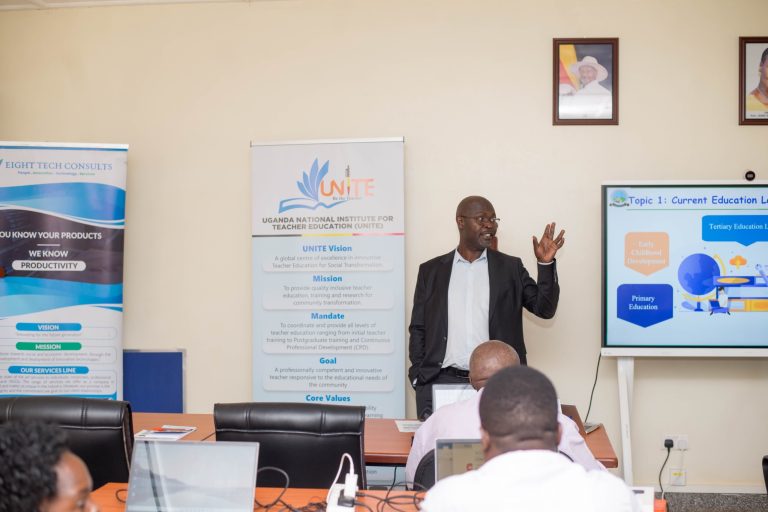
- Supporting national efforts in ICT curriculum development and digital skills training.
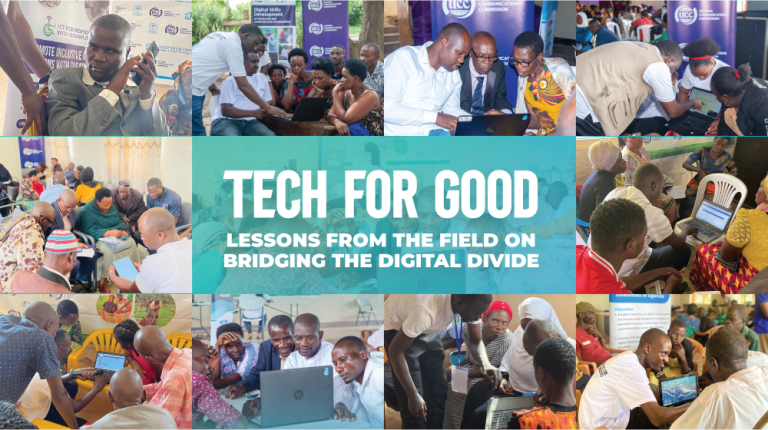
- Delivering specialized digital training for vulnerable populations, including persons with disabilities.
Infrastructure deficits
Many regions still lack stable electricity and internet connectivity.
Digital literacy gaps:A significant portion of the population lacks the skills to fully benefit from digital tools.
Limited funding and policy enforcement: There is a need for increased investment in ICT infrastructure and stronger enforcement of data privacy and cybersecurity policies.
Strategic Recommendations
To maximize the impact of ICT in public service delivery, a coordinated effort is essential. We recommend:
Expanding ICT infrastructure to rural and underserved areas.
Building strong public-private partnerships to drive innovation.
Investing in digital literacy programs tailored to different user groups.
Strengthening legal and institutional frameworks for data protection and digital rights.
Conclusion
ICT has the power to transform public service delivery in Uganda by making services more accessible, accountable, and efficient. While challenges remain, the progress achieved so far shows great promise. As a committed technology partner, Eight Tech Consults Ltd. will continue supporting institutions, communities, and the broader public sector on this journey.
By working together, we can create a future where every Ugandan benefits from smart, inclusive, and reliable public services powered by technology.