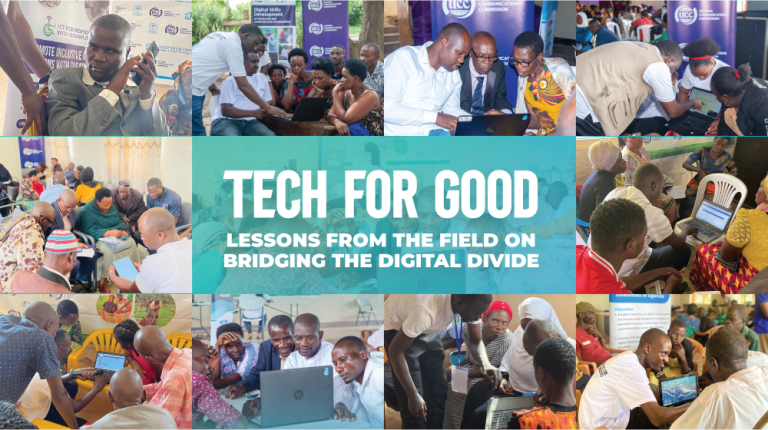
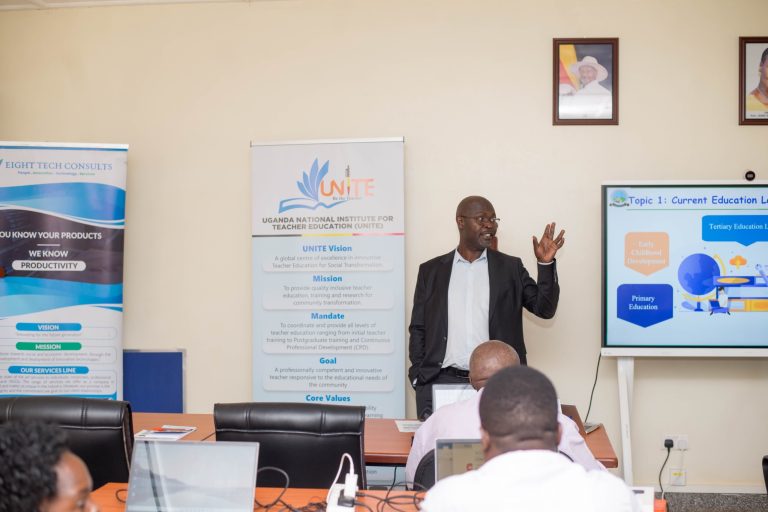
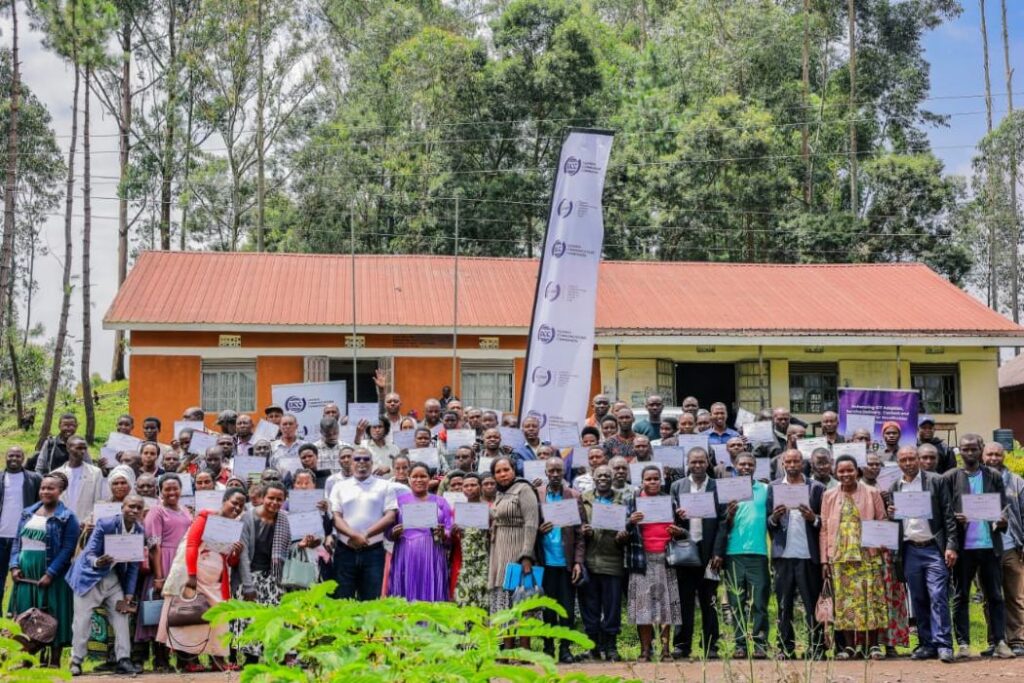
The Ministry of ICT and National Guidance ,Uganda Communications Commission (UCC), through the Uganda Communications Universal Service and Access Fund (UCUSAF), is funding a national push to equip smallholder farmers with basic digital skills. Phase I, which trained 3,116 farmers in 26 districts, and extends the initiative to 24 additional districts targeting 2,140 new farmers. The program’s most recent training cycle began in November 2024 and, staged a five-day, hands-on rollout that documented the first tranche of district sessions between November and December 2024. UCC/UCUSAF developed a Digital Skills Program for framers which seeks to empower farmers to leverage innovations developed by both the government and the private sector.
How the program started and what Phase One achieved
The drive to digitally skill farmers grew from UCC’s findings that limited digital literacy and low device penetration were major barriers to uptake of ICT4Ag innovations. Implementation has been led by Eight Tech Consults Ltd in partnership with the Uganda National Farmers’ Federation (UNFFE) and district farmer networks. Training uses a blended learning model: classroom introductions to computing and online safety followed by practical sessions on smart phones, email, WhatsApp, E- government services and agricultural apps.
Phase One, taken as the program’s initial rollout, reached 3,116 farmers across 26 districts, Eight Tech Consults Ltd documenting a detailed five-day training in an initial set of 12 districts as part of that wider Phase I effort. Pre‑training evaluation captured nearly 948 respondents in the staged sessions, revealing that while most farmers held a positive attitude toward ICT, confidence was low for tasks such as online shopping, E -government services and computer use. Practical outcomes included participants creating email accounts, joining WhatsApp groups, and registering on agricultural platforms during the sessions.
What the impact assessment found
An earlier impact assessment carried out with UNFFE recorded measurable shifts among trained farmers: Smartphone ownership rose, social media use for market information increased (notably WhatsApp and Face book), and the ICT4Farmers call centre and mobile app became widely used. The assessment highlighted that 68.4% of farmer respondents actively used the call centre and 54.9% used the mobile app, and it recommended stronger localization (including voice features), more visual learning materials for low literacy users, and partnerships to reduce device and data costs.
Phase Two: scale, platform upgrades and sustainability
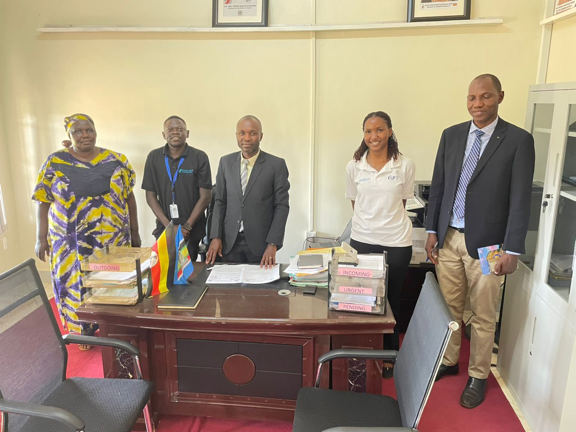
Phase Two is framed as consolidation and scale. Led by Eight Tech Consults Ltd and Uganda National Farmers’ Federation (UNFFE) with Uganda Communications Universal Service and Access Fund (UCUSAF) backing, the plan expands training to 24 additional districts and targets 2,000 farmers and 200 trainers of trainers (ToTs) under a more structured sustainability model. Key elements include:
- Platform upgrades: user‑centred improvements to the ICT4Farmers app, IVR and web portal; multilingual content; and API federation with third-party agri‑tools.
- Curriculum localization: simplified language, visuals and voice‑over options to serve low literacy users and multiple local languages.
- ToT cascade: training local champions to sustain learning and cascade skills beyond the formal sessions.
- Partnerships for affordability: engaging telecoms and donors to subsidize devices and data bundles.
Early lessons and what to watch
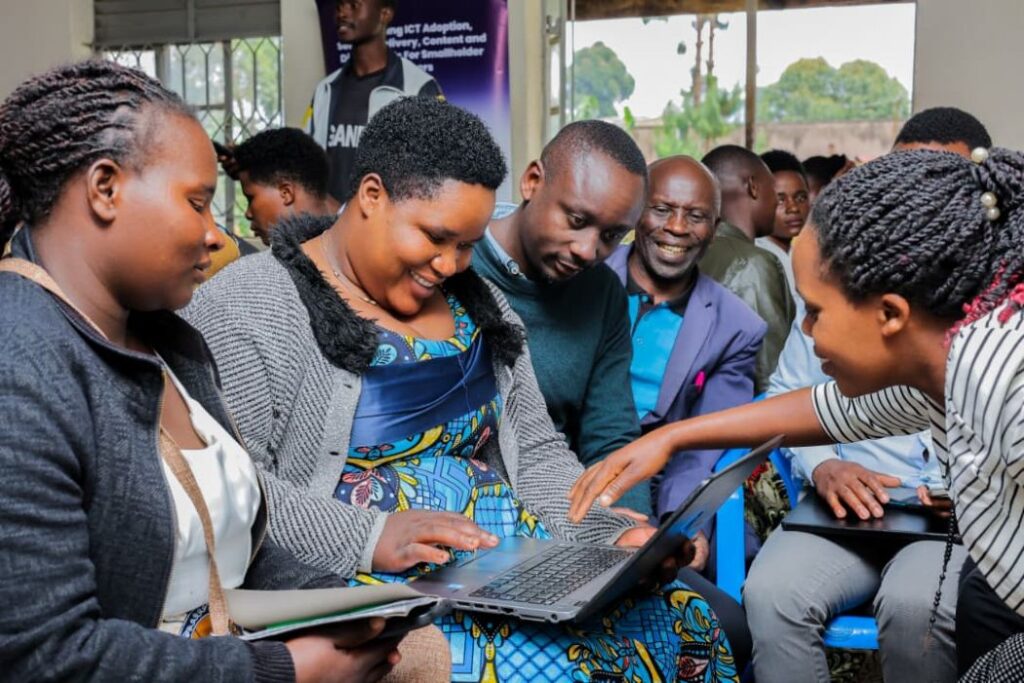
Phase One proved that mindset change and hands-on confidence building are as important as technical modules: farmers who overcame ICT anxiety quickly began using digital tools for price negotiation, market searches and accessing extension advice. Persistent constraints remain: device affordability, intermittent network connectivity and the need for content in local languages. The success of Phase Two will hinge on whether platform improvements, ToT networks and targeted awareness campaigns convert initial enthusiasm into sustained use that improves productivity and market access.
If the program delivers on its upgrade and sustainability promises, Uganda could have a scalable model for digital extension, one that links farmers directly to weather, market and advisory services and turns digital tools into everyday farm decisions.